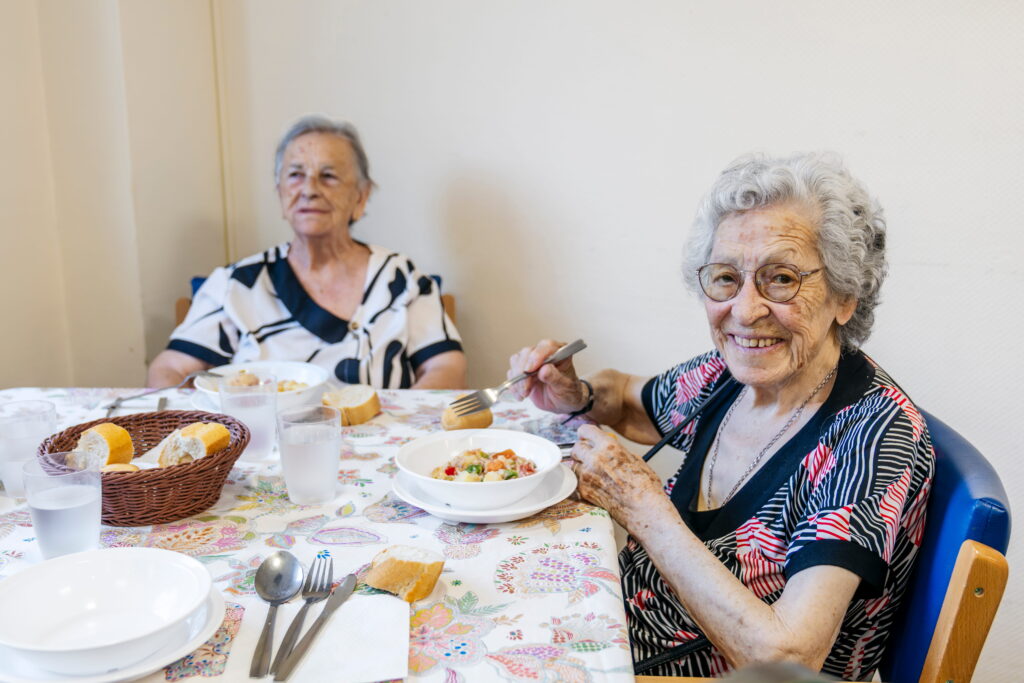
When the Dinner Table Becomes a Struggle for Seniors
The evening begins with the same quiet anxiety. You spent an hour preparing a soft meal, choosing ingredients you read were healthy, and mashing everything to the right consistency.
When you set the plate down, your mom just stares at it. She pushes a piece of vegetable around with her fork, shakes her head, and turns her face away. You find yourself begging her to take just one more bite, your own throat tightening with exhaustion. You watch her posture slump as she completely disengages from the table.
This is the reality of the exhausted home care environment, where everyday nutrition turns into a stressful battleground. When a parent loses their appetite due to dementia or a stroke, the instinct is to focus on the clinical numbers. We worry about calorie counts, vitamin intake, and supplement shakes.
But seniors do not just lose their appetite for food. They often lose their appetite for the experience itself. Eating alone in a quiet kitchen or facing a plate that looks completely unfamiliar can make mealtime feel like a chore rather than a comfort.
The physical act of swallowing becomes stressful, the utensils feel heavy, and the room feels too empty. Soon, the simple act of preparing dinner becomes an source of friction that strains the relationship between parent and child.
Moving Beyond Institutional Kitchens in a Board and Care Home
In a massive, hundred-bed clinical setting, meals are tied to a rigid schedule and an industrial kitchen. Food arrives on a covered plastic tray, often prepared hours in advance according to a broad corporate menu.
If a resident is confused or moving a bit slower that morning, the tray sits cold on a bedside table while busy staff rush to the next room. The environment is loud, with carts clanging down long hallways and unfamiliar shift workers rotating through the doors.
The reality of a boutique board and care home setting is entirely different. Because we only look after six residents, the kitchen is the literal heart of our house in North Torrance. The smell of frying bacon or brewing coffee drifts naturally into the bedrooms, gently signaling to a resident that it is time to wake up and gather.
We do not use a standard corporate menu matrix that treats everyone the same. Instead, we watch how our residents react to every single meal. If someone loves their morning oatmeal with a heavy splash of cream and fresh berries, that is exactly what appears on their table every single morning.
We look at the small details, like using a favorite heavy ceramic mug that is easy for arthritic hands to grip, to make independent eating simple and dignified. The kitchen counter is always open, and residents can watch the steam rise from the pots just like they used to do in their own homes.
How Custom Recipes Honor Individual Legacy and Support Nutrition
True support means adapting the daily rhythm to the individual, not forcing them to fit a corporate system. For seniors experiencing cognitive decline, memory is often tied deeply to scent and taste.
A generic nutritional drink cannot replicate the comfort of a familiar dish. When a person feels like they are losing control of their daily life, forcing an unfamiliar diet can cause them to completely withdraw.
We find that the best way to solve appetite struggles is to cook the foods our residents have loved for decades. Before anyone moves into our home, we spend time talking things through with the family to build a detailed life story profile.
We ask about the specific meals that defined their family Sundays or their favorite childhood comfort foods. If a resident spent fifty years making a specific family meatloaf recipe, our caregivers recreate that exact dish for their birthday.
When the plate arrives, the steam rising from a familiar blend of spices does something incredible. It cuts through the fog of dementia, brings back a wave of comfort, and encourages them to eat independently without any coaxing or pressure. We watch their eyes light up as a taste reminds them of who they are, honoring their lifelong legacy through a simple afternoon meal.
Creating a Calm Dining Environment for South Bay Seniors
The sensory environment around the table matters just as much as the food on the plate. In a busy home where the television is blaring, the phone is ringing, and medication schedules are piling up, a resident can become easily overwhelmed. This sensory overload makes it difficult to focus on the task of eating.
Our neighborhood home is located in a quiet pocket of North Torrance, just a short drive from the South Bay area including Manhattan Beach and Hermosa Beach.
We keep the dining experience entirely calm and predictable. There are no overhead intercoms, no rushing crowds, and no clinical routines. Instead, we set the table with real plates, fabric napkins, and familiar layout settings.
If a resident becomes restless or agitated as the sun starts to go down, we do not force them to stay seated. We might gently play a favorite childhood song in the background to de-escalate the anxiety. We might hand them a warm towel scented with lavender to soothe their senses before the food is served.
By keeping the group small and the atmosphere peaceful, we remove the fear and confusion that so often leads to weight loss and nutritional decline in larger institutions.
Finding Real Peace of Mind in a Neighborhood Senior Living Environment
When you are managing everything on your own at home, the constant worry about weight loss and hydration can completely break your spirit. You stop being a daughter or a spouse, and you become a food manager, counting every ounce and tracking every bite. The guilt follows you every time a meal is left untouched, leaving you wondering if you are doing enough to keep them safe.
Our second-generation family-run home is designed to take that weight off your shoulders entirely. Our small capacity means the same familiar caregivers sit at the table with our residents every single day. There are no strangers coming in on rotating shifts, which eliminates the anxiety that often makes seniors refuse food in the first place.
We notice the micro-moments, like a resident who is chewing a bit slower than usual or someone who seems to prefer sweet flavors over savory options today. We adjust the meal right then and there to keep them comfortable.
Our close proximity to Torrance Memorial Medical Center and Providence Little Company of Mary means we are deeply rooted in the local community health network, but our focus stays entirely inside the warmth of our home.
If you are tired of the dinner table battles and want to see your loved one experience the warmth of a real family meal again, let us help. You are welcome to come look around our home, see our kitchen, and map out a transition plan that restores peace to your family.

