From Hospital Discharge to a Neighborhood Home for Smooth Post-Stroke Transitions
The return home after a major medical event is often filled with a quiet, overwhelming sense of panic.
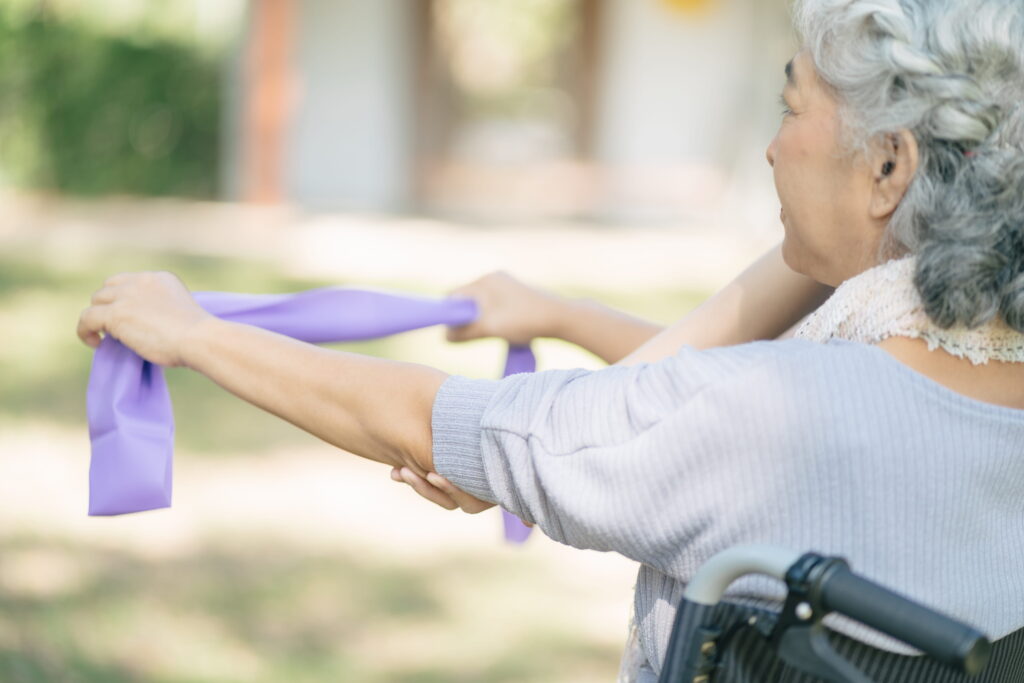
You spent weeks sitting in hospital waiting rooms, talking things through with therapists, and trying to digest a stack of discharge paperwork. Now, you are back in the family living room, looking at your mom as she sits in her wheelchair, unable to move the right side of her body.
The house suddenly feels entirely unsafe. The hallway looks too narrow, the bathroom threshold seems like an impossible mountain, and the medication schedule changes completely by the hour. You watch her stare blankly at her lap, her eyes filled with a mix of confusion and fear.
This is the exact moment where event driven chaos hits families hardest. The sudden reality of the exhausted home care environment sets in when you realize that managing post stroke recovery safely requires around the clock vigilance.
A stroke survivor often deals with a mixture of speech difficulties, physical weakness, and extreme emotional frustration as they fight to regain basic motor functions. Trying to balance your own career and family while transferring an adult safely from a bed to a chair can quickly lead to injury and physical burnout.
The constant fear of a secondary stroke or a devastating fall turns your home into a high-stress medical zone rather than a place of healing.
The Chaos of Rotating Agency Staff in Large Senior Living Facility Options
In many large senior living facilities, rehabilitation care is compromised by a constantly spinning revolving door of personnel. A stroke survivor needs a massive amount of repetition, patience, and emotional stability to rebuild neural pathways.
However, in a hundred-bed institution, a resident might see three completely different aides in a single weekend. One caregiver doesn’t know that your dad prefers his weak left arm supported with a specific pillow configuration to prevent painful joint subluxation. Another worker might rush him through his speech exercises because they have twenty other rooms to check before their shift ends.
This lack of consistency creates severe anxiety, causing many stroke survivors to shut down and refuse to participate in their daily routines. The reality of a boutique board and care home setting completely eliminates this institutional friction. Because our household is limited to just six residents, we can offer a consistent staff promise that larger settings simply cannot replicate.
Our caregivers do not rotate between floors or disappear behind corporate departments. They work with the same individuals day in and day out, meaning they become deeply familiar with each resident’s baseline physical abilities, emotional triggers, and subtle signs of fatigue.
How Consistent Faces Aid Speech and Physical Rehabilitation
Neurological healing thrives on absolute predictability and trust. When a stroke has altered a person’s ability to express themselves, the simple act of asking for a glass of water can become a source of immense frustration and shame.
Inside our second-generation family-run residential care home, our caregivers learn the silent needs of our residents. We do not use clinical jargon or rush through conversations over coffee. We practice deep patience in the silence during a long meal, allowing a resident the time they need to form their words without stepping in too early and stripping away their autonomy.
If a physical therapist prescribes a specific leg exercise to improve blood flow, our familiar caregivers are right there to help manage comfort and repetition in a supportive environment. Because the resident knows and trusts the face looking back at them, they feel safe enough to push through the difficult, painful moments of movement therapy without the fear of being judged or misunderstood by a stranger.
Managing Comfort and Safety for Non Ambulatory Residents
Post stroke care frequently involves navigating non ambulatory needs, where a resident is entirely unable to stand or walk without assistance. For a family caregiver, managing these physical transfers throughout the day and night is one of the most physically punishing aspects of elder care.
Our neighborhood home in North Torrance is structurally built to handle these precise physical challenges while maintaining a warm, non-clinical environment. We combine professional support with a real family setting, ensuring that high-support equipment is used smoothly without making the bedroom look like an intensive care unit.
Family photos and cozy armchairs remain the focal points of the room, keeping the space grounded and neighborly. Our dedicated awake night staff member monitors the household throughout the 3:00 AM hours, checking bed sensors and adjusting physical positioning with absolute tenderness to prevent skin breakdown and maintain joint comfort.
This continuous, quiet monitoring keeps our seniors safe without ever interrupting their sleep or breaking the natural rhythm of the household.
Finding Remote Peace of Mind and Community Support in the South Bay
When a parent experiences a stroke, the impact ripples across the entire family network, often affecting adult children who live out of state. The long distance guardian carries a unique layer of guilt, constantly worrying from afar whether an emergency call will come through in the middle of the night.
Our home provides that essential digital proof of safety and direct access to leadership through our Care Director, Bessie Coello. Located conveniently near Artesia Boulevard and Hawthorne Boulevard, we are just minutes away from major local medical infrastructure, including Torrance Memorial Medical Center and Providence Little Company of Mary.
This North Torrance location allows us to coordinate seamlessly with visiting therapists and medical specialists throughout the South Bay area, including Manhattan Beach and Hermosa Beach. We take over the complex logistics of care coordination so that you can stop acting as an emergency manager. When you visit, you can simply sit in the backyard, hold your parent’s hand, and celebrate the small wins together.
If your family is navigating a difficult hospital discharge or struggling to handle stroke recovery on your own, let us map out a transition plan together. You are invited to come look around our home, see our layout, and find out how our consistent team can bring peace back to your lives.
Come Look Around Our Home – Schedule A Consult Today.

